The Kind of Tired No One Talks About
September 4, 2026 · 4 min read
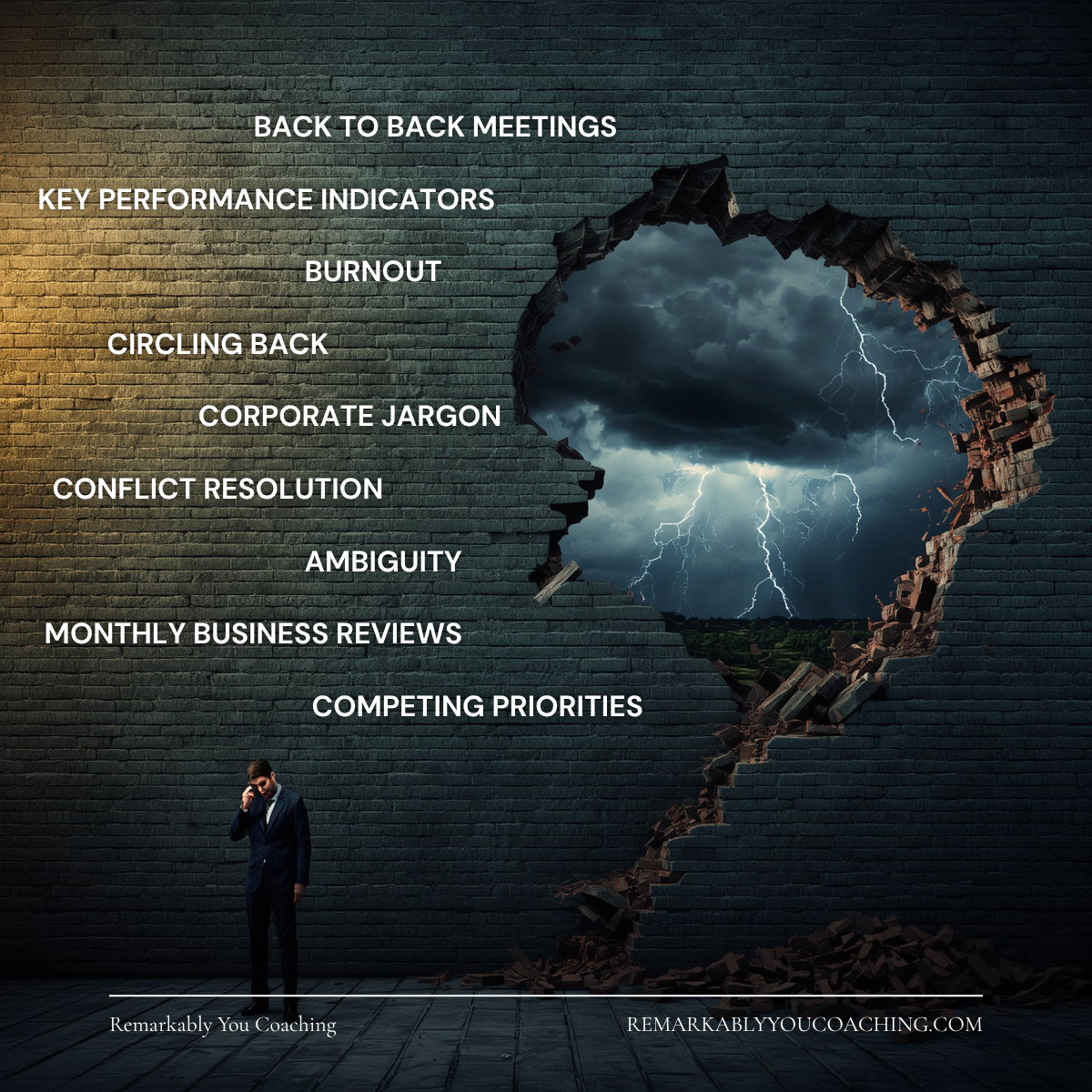
There is a kind of exhaustion that isn't caused by working long hours. It's harder to explain than that.
It comes from spending years learning how to succeed in environments that were never designed for the way your mind naturally works.
You learn the rules. You study the room. You prepare more than anyone realizes. You meet expectations. You deliver. You adapt. From the outside, everything looks fine.
Then you get home and find yourself needing quiet before you can even think. Not because the work was difficult, but because so much energy was spent navigating everything around the work.
The Exhaustion That Hides in Plain Sight
Most people never see that part. It doesn't appear on a performance review. It doesn't show up in a leadership assessment. Yet it has a way of accumulating over time — quietly, steadily, until one day the weight becomes impossible to ignore.
I've spoken with leaders who described arriving at important meetings feeling sharp, confident, and fully prepared — and then returning home to spend the rest of the evening in silence, not because they were sad or struggling, but because there was simply nothing left.
They'd given everything to the performance of the day. There was nothing left for the people they loved most.
When Burnout Is Something More Specific
For years, many leaders assume this is simply the price of success. They become so accustomed to carrying it that they stop questioning whether it has to be this way.
We hear a lot about burnout. And burnout is real. But sometimes what we call burnout is something more specific — the fatigue that comes from constant adaptation. From translating who you are into something the environment around you can more easily receive. From code-switching, masking, over-preparing, and managing the perception of your leadership on top of actually doing the work of leading.
That distinction matters. Because the solution to adaptation fatigue isn't more rest, though rest helps. It's alignment — between who you are and how you lead.
The Question That Changes Things
I've come to believe there is real value in simply naming it. Not to dwell in it or build an identity around it — but because we cannot address what we refuse to acknowledge.
Once we recognize the fatigue for what it is, we can begin asking a different question. Not "What's wrong with me?" but "What have I been carrying that no one else could see?" That question has changed more than one conversation I've had with a leader. Perhaps it will change yours as well.
Sometimes what we call burnout is something more specific — the fatigue that comes from constant adaptation.
Reflection: What kind of tired are you carrying right now? Is it the exhaustion of hard work — or the deeper fatigue of spending years adapting to an environment that wasn't built for how your mind works?
Continue the conversation
If this resonates with you, I’d love to hear your story. The conversations that change us usually begin with someone finally feeling understood.
Book a Free Discovery Call →